Kakadu National Park is one of Australia’s most amazing and biologically diverse places. Spanning nearly 20,000 square kilometres in the Arnhem Land region of the Northern Territory, this old land is a mix of rugged escarpments, wetlands, culturally significant sites and unique ecosystems. Managed by Parks Australia and the Traditional Owners, this national park is the heart of Aboriginal culture and natural beauty in the Top End.
From sandstone escarpments to wet season rains, every corner of Kakadu tells a story of resilience, life and connection. Whether you’re planning a Kakadu trip or joining one of the many day trips from Darwin, this landscape will be an adventure.
Diverse Landscapes
1. Stone Country and Sandstone Escarpments
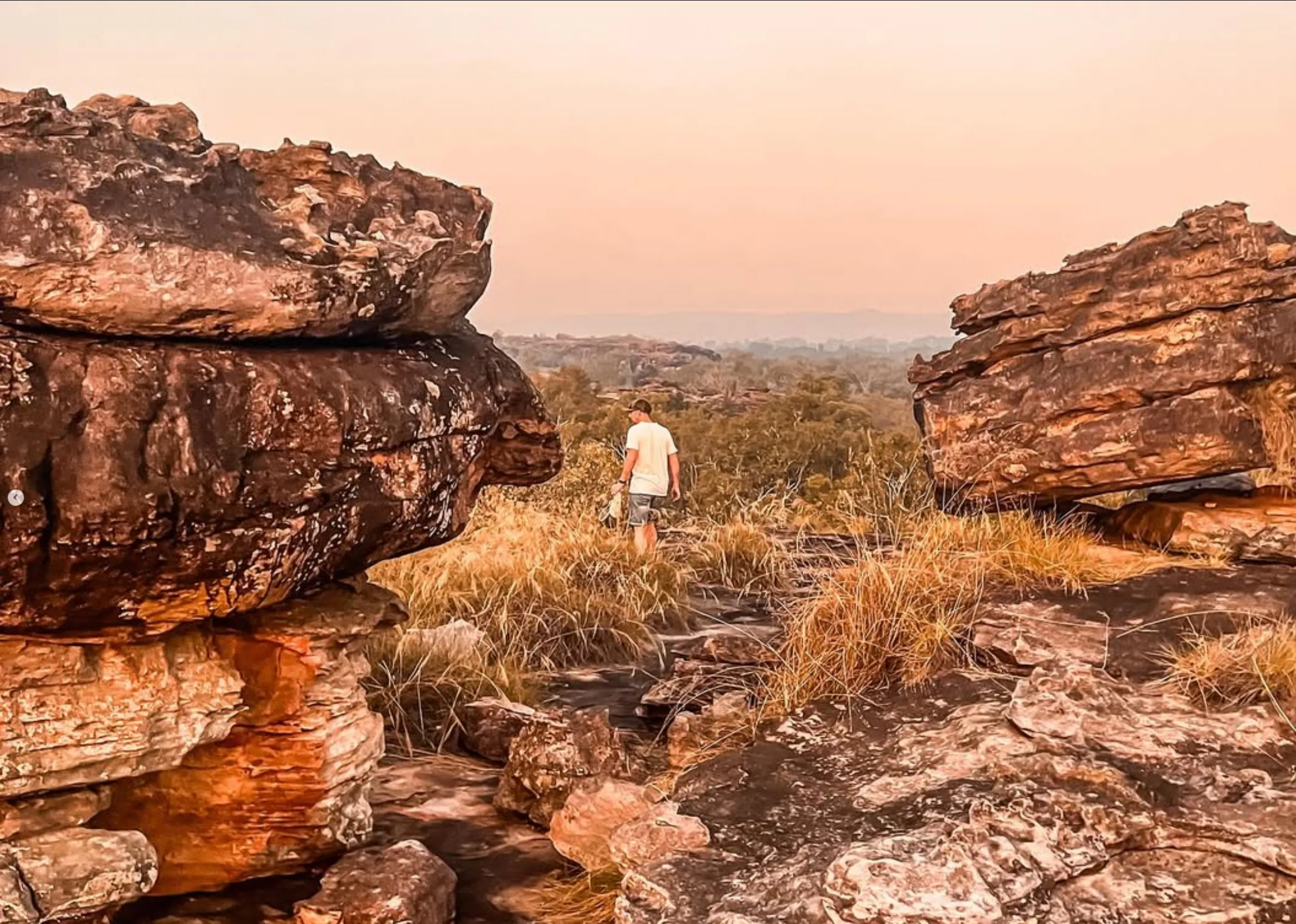
Kakadu’s stone country has sandstone escarpments, deep gorges and rock platforms that form the park’s dramatic skyline. These old escarpments, around Nourlangie Rock and Ubirr, offer stunning views of the alluvial flats, samphire flats and paperbark forests below.
Throughout these rough landscapes are rock shelters and Aboriginal rock art sites, many with open-air rock art. These are highlights on most Kakadu tours, giving visitors a direct link to the Indigenous people.
2. Wetlands and Billabongs
Kakadu’s wetlands are internationally renowned for their ecological significance. These seasonal floodplains flood with the wet season rains that fill billabongs, river banks and tidal flats.
The famous Yellow Water Billabong, part of the South Alligator Rivers system, is a wildlife haven with Saltwater crocodiles, magpie geese and other migratory birds. This vibrant wetland is visited on most Darwin tours and loved by nature lovers looking for unique photo opportunities and wildlife experiences.
3. Woodlands and Savannah Plains

The woodlands and savannah plains cover most of Kakadu. Dotted with termite mounds, banyan fig trees and dominant plant species like Allosyncarpia ternata, these open spaces are best seen during the dry months of the dry season.
On private Kakadu tours, you’ll often explore these areas for their peace and quiet and to see native animals like the black wallaroo, wallabies and even nocturnal creatures. These woodlands also show the adaptability of animal species and endemic plants in a dynamic climate.
4. Monsoon Rainforests
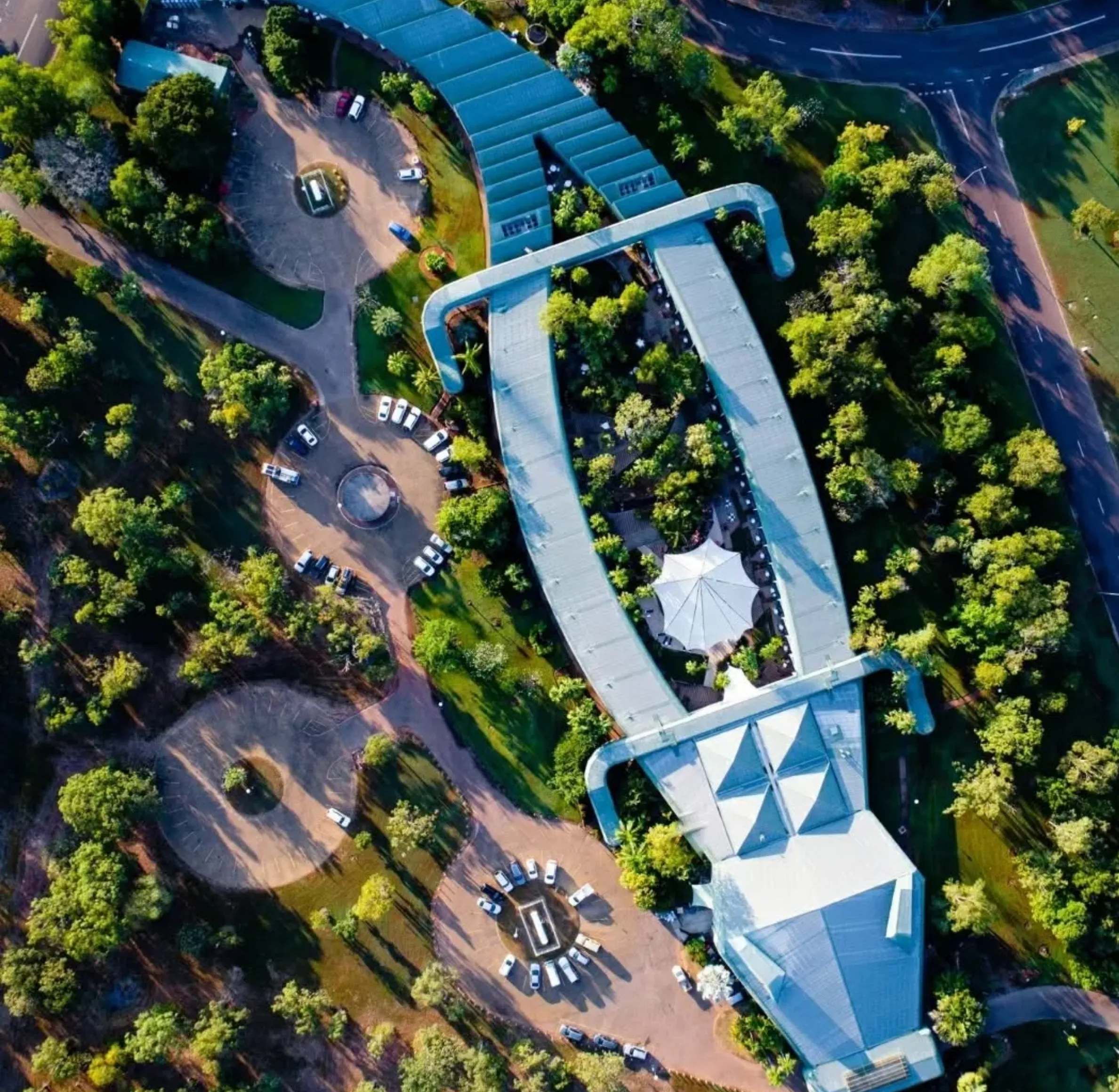
Hidden in moist gorges and along permanent water sources like Gunlom Falls, Twin Falls, and Barramundi Gorge, Kakadu’s monsoon forests are oases of shade and biodiversity. These lush monsoon forests are surrounded by cliffs, rock art galleries and cool water holes perfect for swimming and sightseeing.
If you’re looking for a once-in-a-lifetime experience, Kakadu tours in the green season will show you the vibrant regrowth of this ecosystem, from resurrection grasses to cascading creeks and waterfalls.
Aboriginal Culture and Rock Art
Kakadu is one of the world’s most culturally rich landscapes, with over 65,000 years of Aboriginal life documented through thousands of Aboriginal rock paintings. These rock art masterpieces are found in places like Nourlangie Rock, Ubirr and Koolpin Gorge.
They show Traditional Owner stories, law, spirituality and survival. Many Kakadu tours, especially those departing from Darwin, include guided walks to these cultural sites so you can learn directly about the cultural significance of these amazing artworks.
Wildlife and Natural Colour Palette
Kakadu’s natural beauty has over 280 bird species, 117 reptile species and countless endemic animals. The wildlife is active every season: Asian water buffalo graze near the wetlands, estuarine crocodiles patrol the water’s edge and Cane toads, though invasive, are part of the modern landscape.
Kakadu tours often include birdwatching at Yellow Water, spotlighting colourful and rare birds like the chestnut-quilled rock pigeon, eagles and kingfishers. Whether you visit in the dry season or tropical summer, Kakadu’s shifting colour palette of green, gold, ochre and blue is a stunning contrast to the ever-changing sky.
Scenic Experiences
Seeing Kakadu is not just about the view—it’s about the experience. Whether you’re:
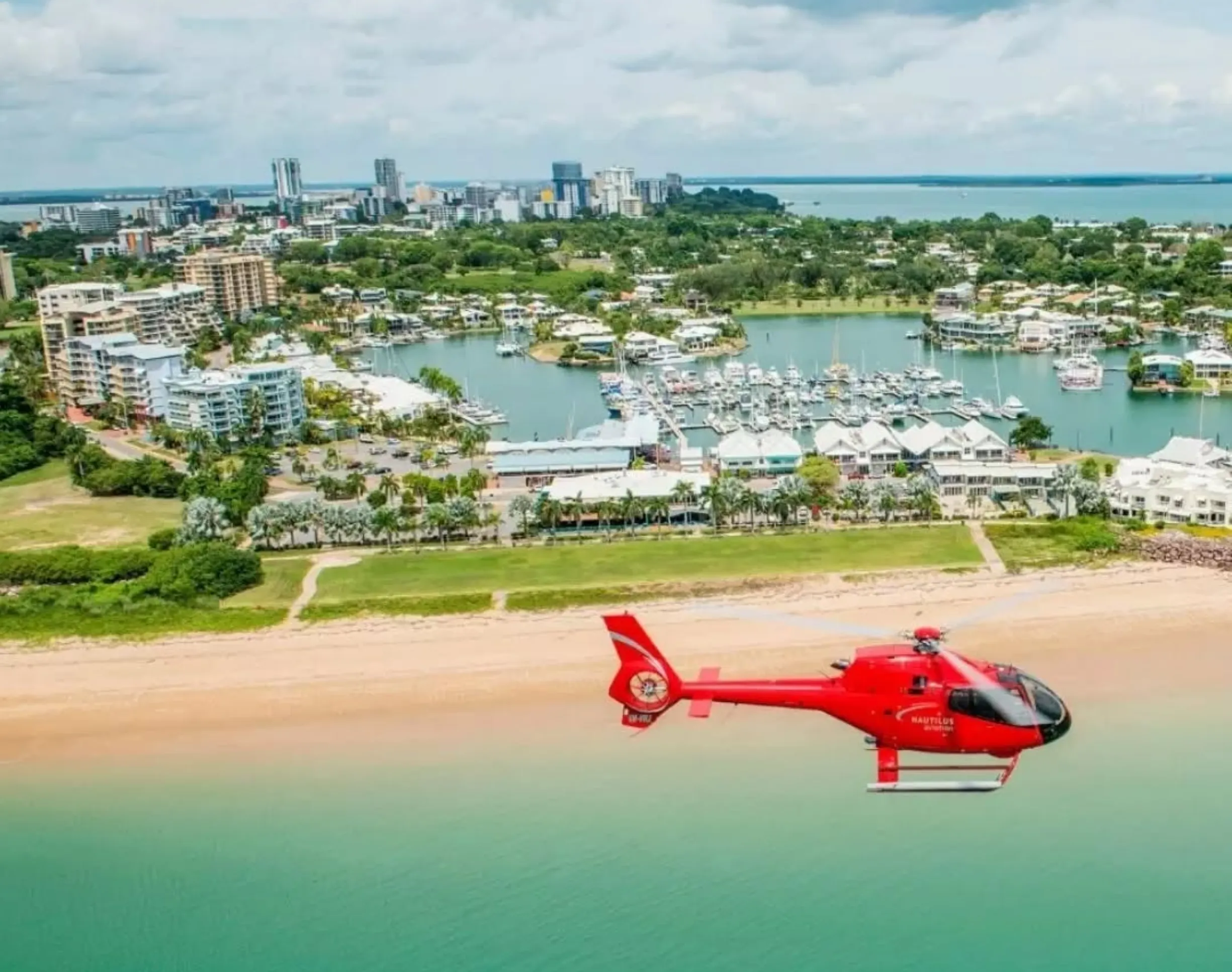
- Soaring above escarpments in a flight
- Cruising through Yellow Water Billabong
- Trekking to Jim Jim Falls
- Visiting Aboriginal rock art with a guide
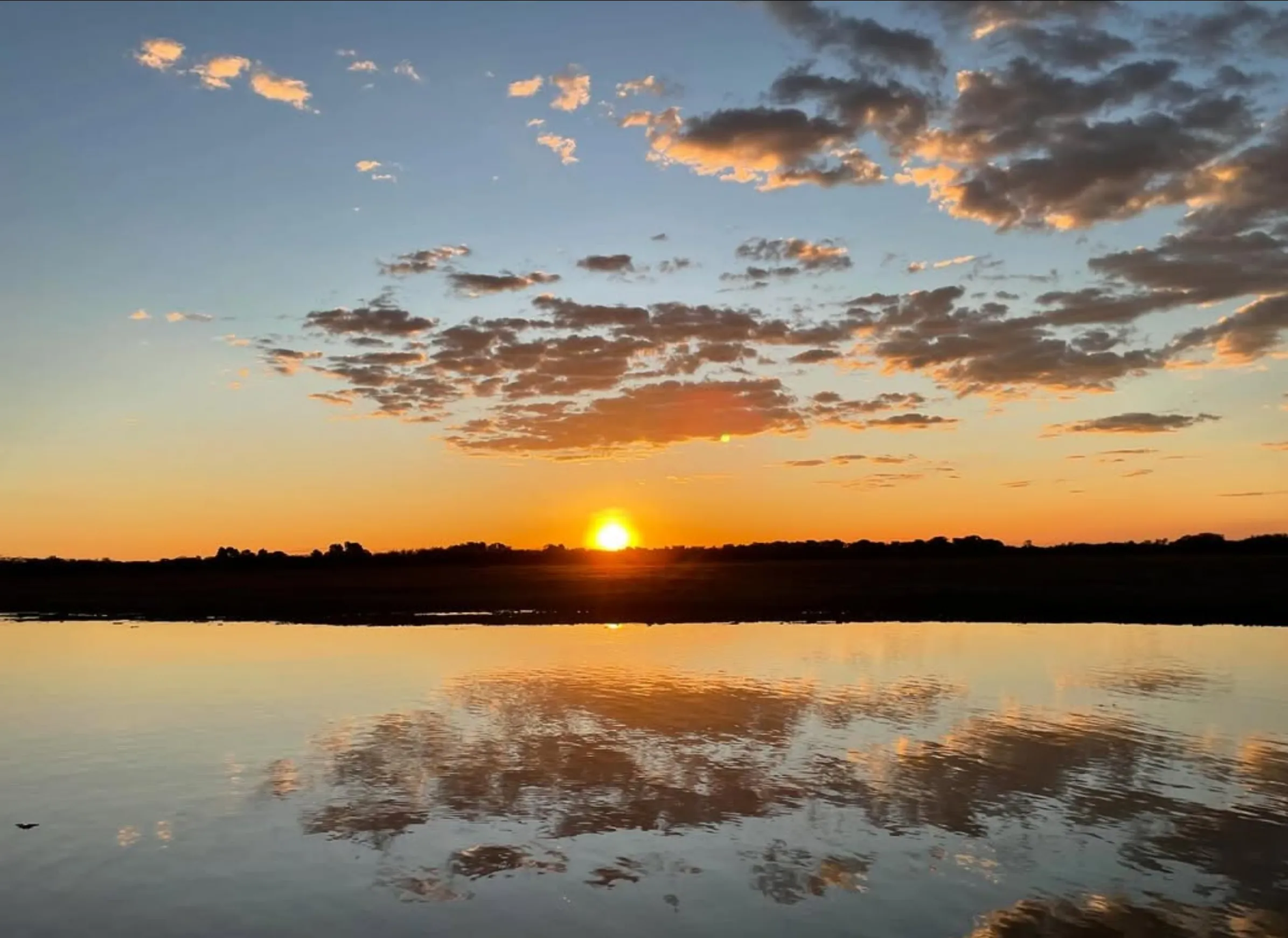
- Or watching the sun set from Ubirr
Many people also combine Kakadu with nearby places like Litchfield National Park and Nitmiluk National Park, both of which have their own waterfalls, swimming holes and cultural heritage. Companies like Wildlife Tours offer itineraries that cover all three for the ultimate Australian adventure.
Final Thoughts
So, what does Kakadu look like? It’s a living canvas of rugged landscapes, wetlands, woodlands, and monsoon rainforests—a mix of nature’s power and Indigenous culture. Every turn reveals a new scene shaped by water, light and time.
Whether you’re a seasoned traveller planning a Kakadu trip or just adding one of Australia’s best natural wonders to your Australian road trip, Kakadu will stay with you forever.
FAQ
What are the main landscapes in Kakadu National Park?
Kakadu has stone country, wetlands, savannah plains, and monsoon forests, a dynamic scenery.
Can I see Aboriginal rock art in Kakadu?
Yes, especially at Nourlangie Rock and Ubirr, thousands of years of Aboriginal rock art tell the Indigenous culture and spirituality.
When is the best time to visit Kakadu?
The dry season (May–October) has better road access and waterfalls, while the green season has lush growth and flowing rivers.
Are Kakadu tours from Darwin available?
Yes, many Darwin tours and day trips from Darwin offer full day experiences including flights, wetlands cruises and rock art visits.
Is a private Kakadu tour worth it?
Absolutely—private Kakadu tours offer flexibility, expert knowledge and access to secluded cultural sites and hidden natural wonders.