You’ve completed your cosmetic tattoo course, passed the assessments and maybe even had your first few goes on real clients. You’re stoked, nervous and probably asking the big question: how do I get legally licensed to offer cosmetic tattooing in Australia?
If you’re searching “How to Apply for a Cosmetic Tattoo Licence After Completing a Course,” you’re in the right place. This guide will walk you through exactly what happens next — no fluff, no BS, just real-world steps from someone who’s been there, done that and got the pigment-stained gloves to prove it.
One studio that sets the benchmark for high standards in this space is Cosmetic Tattoo Melbourne Studio Face Figurati. Whether you’re after ombre brows or lip blush perfection, their work is the best of what this industry has to offer.
Is This a Cosmetic Tattoo?
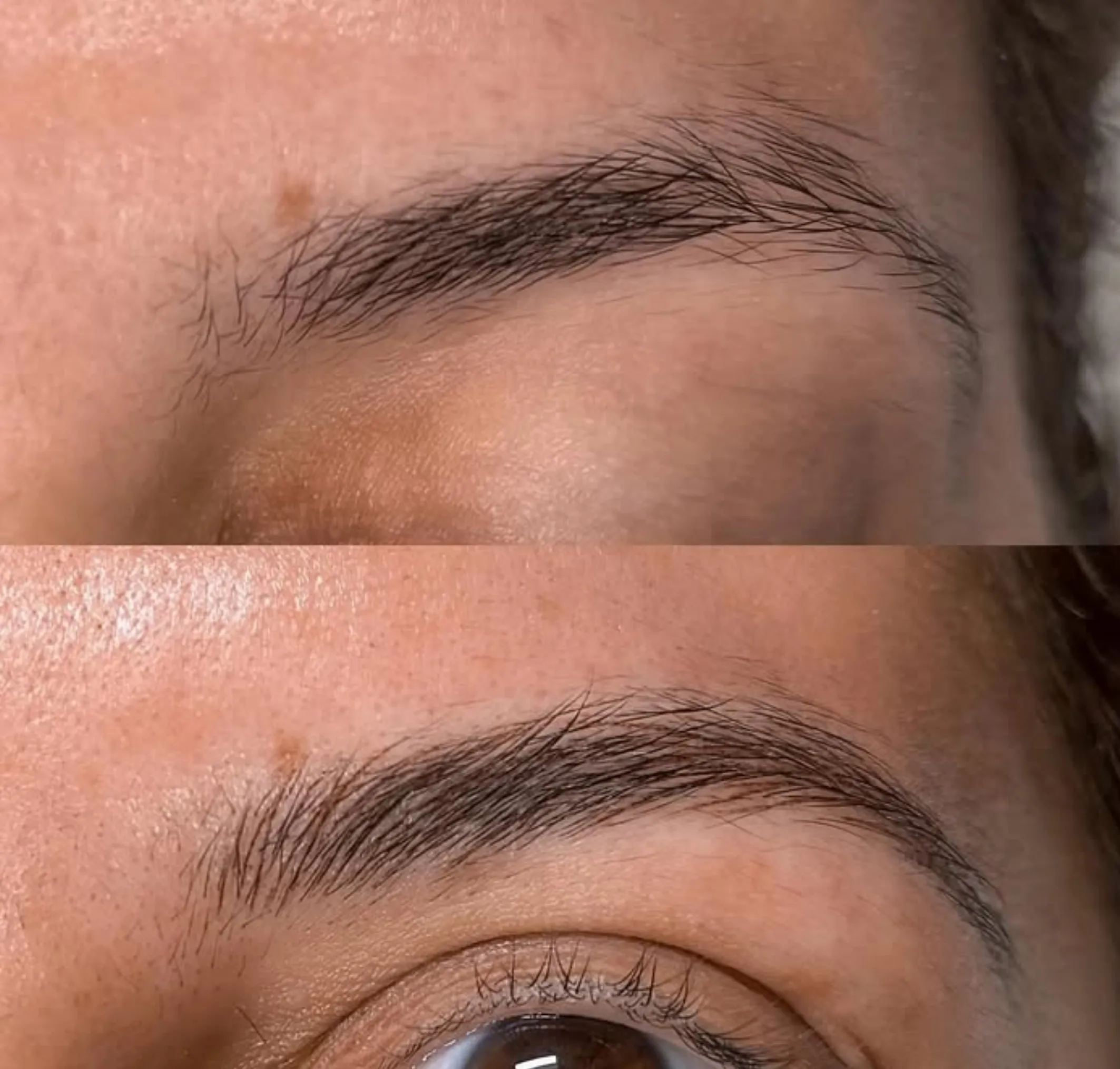
Before we get to the license part, let’s clear up what we’re actually licensing for. Cosmetic tattooing (also called micropigmentation or permanent makeup) includes:
- Eyebrow tattooing (powder, feather touch, ombre)
- Eyeliner tattoos (classic, winged, lash enhancement)
- Lip tattoos (lip blush, full tint, liner)
- Areola and medical tattooing (like scar camouflage or nipple recreation)
- Guest artist licence scenarios (for temporary interstate or overseas tattooists)
Basically, suppose you’re implanting pigment into the skin for aesthetic or restorative purposes. In that case, you’re in tattoo territory and that means you need a tattooing licence issued by the relevant licensing authority.
Clients are more aware than ever of hygiene, pigment quality and outcomes. That’s why many seek out trusted professionals — like a qualified cosmetic tattoo artist in Melbourne who has an active licence and a track record of safe, beautiful results.
State-by-State Tattoo Licensing
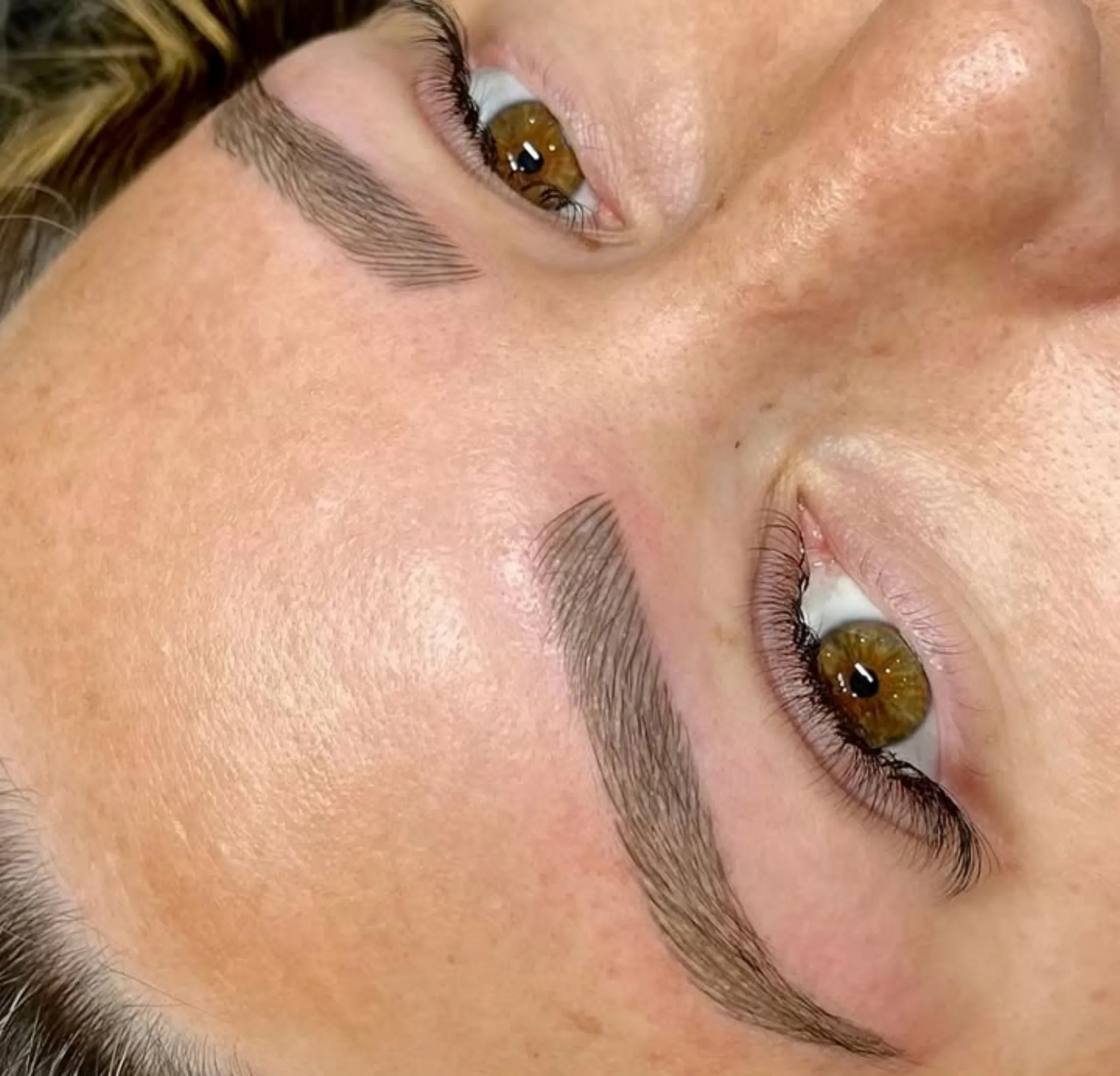
Australia doesn’t have a national licence for cosmetic tattooing. Each state and territory runs its own show, with different rules, forms and processing times. Some even require two licences — one for you and one for your premises.
Here’s how it breaks down:
| State/Territory | Licence Type | Authority | Notes |
|---|---|---|---|
| QLD (Queensland) | Skin Penetration Licence + Personal Operator Licence | Local Council | Must complete Infection Control certification |
| NSW (New South Wales) | Skin Penetration Notification | Local Council | Must notify the council and comply with the Public Health Regulations |
| VIC (Victoria) | Health Premises Registration | Local Council | The operator must follow the guidelines but doesn’t require an individual licence |
| WA (Western Australia) | Skin Penetration Procedure Registration | Local Council | Local council inspects and approves the setup |
| SA (South Australia) | Personal & Premises Licence | Consumer & Business Services (CBS) | Must hold a national qualification (e.g. SHBBSKS003 or SHBBSKS004) |
| TAS (Tasmania) | Registration of Premises | Local Council | The operator must comply with the relevant infection control standards |
| ACT | Skin Penetration Business Registration | ACT Health | One licence covers premises; staff must follow hygiene guidelines |
| NT | Premises Registration | NT Department of Health | Individual operators must comply with infection control laws |
Step-by-Step: How to Apply for Your Licence
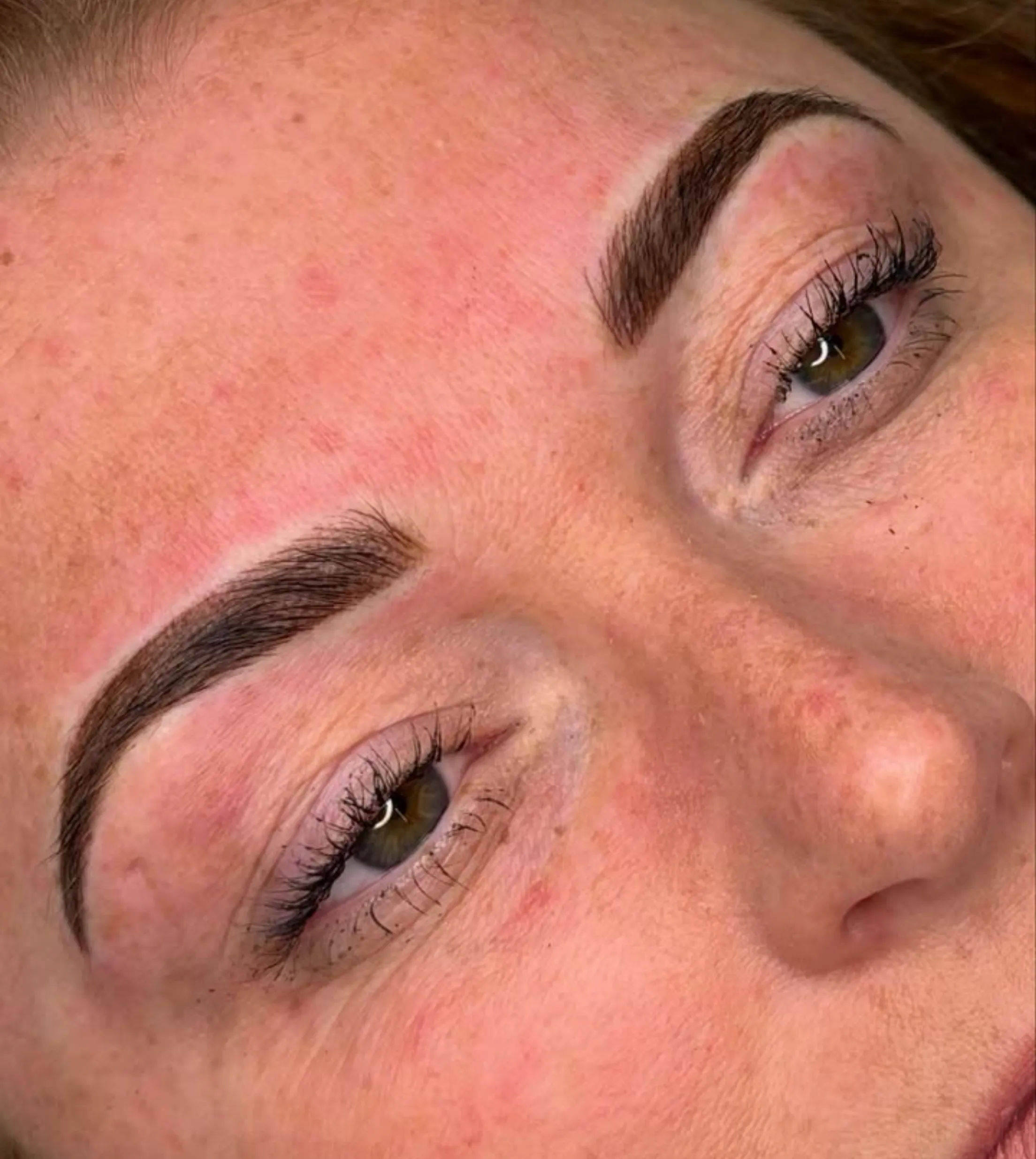
It’s one thing to Google “tattoo licence Australia” — it’s another to actually lodge it without missing a form or accidentally breaching a regulation. Here’s the step-by-step application process most states will follow (with some tweaks):
1. Complete Your Accredited Training
- You’ll need to complete a nationally recognised cosmetic tattoo course
- It must include a current Infection Control Unit (like SHBBINF002 or HLTINF005)
- Many licensing requirements include submitting official documentation of your training requirements and practical training
Tip: If your course didn’t include Infection Control, you’ll need to do a standalone one — councils will ask.
2. Register or Notify Your Local Council
- Contact the health department of your local council (your licensing authority)
- Ask for tattooing license requirements and esthetic services policies
- Some councils allow online submissions of multi-page documents, while others require original applications in person
3. Prepare Your Workspace (or Salon)
Even if you’re working from home or renting a room, it needs to meet council standards. You’ll need:
- Separate hand-washing basin with running water
- Smooth, easy-to-clean floors and surfaces
- Sterile storage and waste disposal (e.g. sharps containers)
- Clean zone vs contaminated zone signage
- A physical address compliant with zoning laws and approved for skin penetration or permanent cosmetics
At Cosmetic Tattoo Melbourne Studio Face Figurati, these hygiene protocols are a given. That’s why clients trust us for everything from brow work to full-lip cosmetic tattoo procedures.
4. Submit Your Application
Typical requirements:
- Fill out the application form with your personal and business details
- Proof of qualifications and training documentation
- Floor plan of premises
- Council inspection approval
- Payment (ranges from $150–$600 depending on location)
- If you’re applying as a guest artist license holder or due to military training, you may need additional hours or health education documentation
5. Get Inspected and Approved
- Most councils will inspect your workspace before granting a licence
- If something doesn’t meet standards, you’ll get a compliance checklist and timeline to fix it
- After application review, expect approval within 10–20 business days depending on the backlog
Real talk: don’t fudge this part. I’ve seen artists shut down due to poor quality hygiene practices or missing safety checks.
What Qualifications Do You Need?
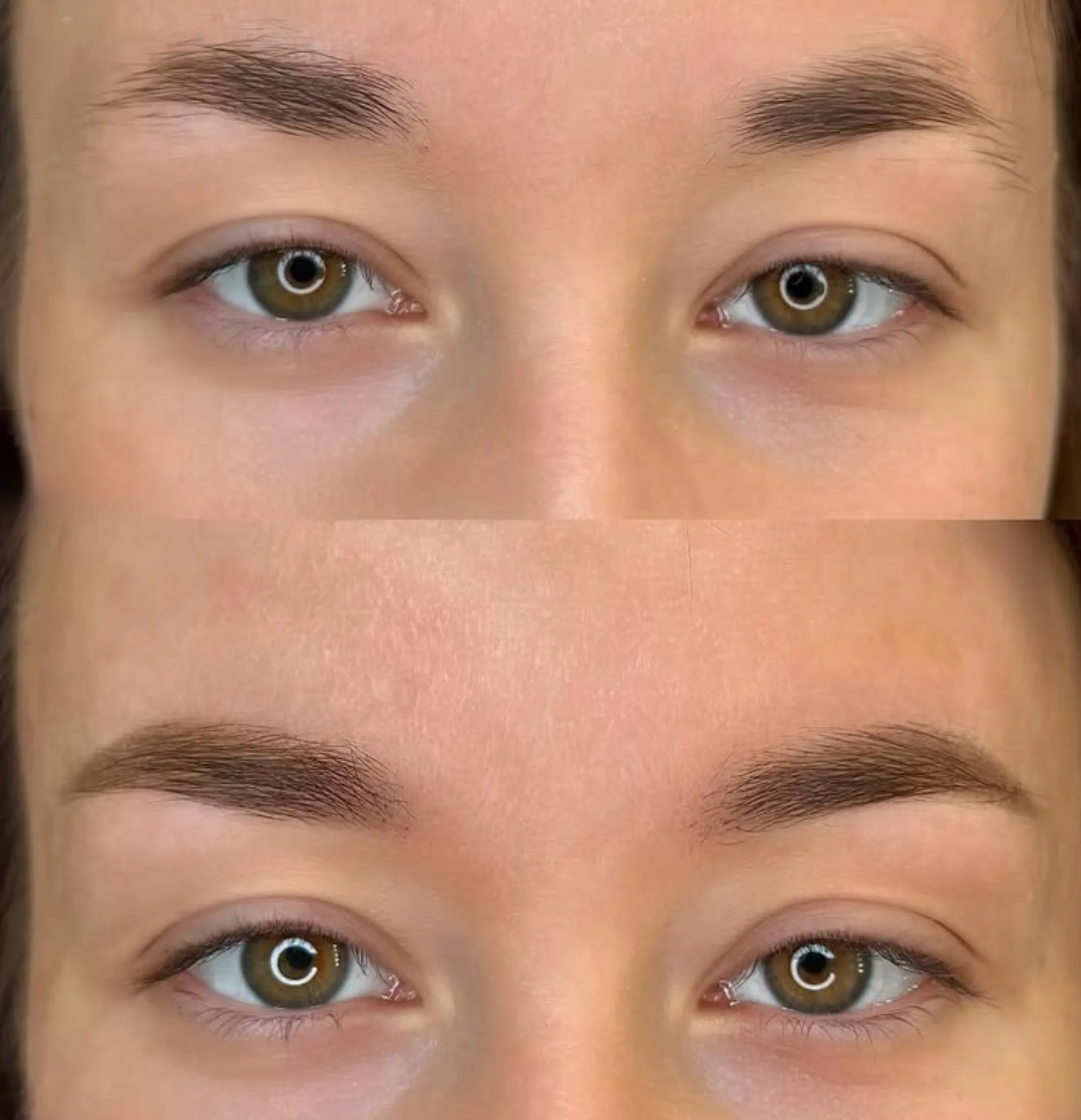
As of 2025 most states require you to have:
- SHBBSKS003 Design and provide cosmetic tattooing
- SHBBSKS004 Provide cosmetic tattooing for eyebrows, eyeliner and lips
You may also need:
- Practical exam results (in some states)
- Additional documentation for body piercers applying for crossover licenses
Infection control is non-negotiable. The recognised units include:
- HLTINF005 Maintain infection prevention for skin penetration treatments
- SHBBINF002 Maintain infection control standards (being phased out in some states)
Many professional cosmetic tattoo artists also do extra hours of hands on training under mentors or through advanced programs like the upskilling offered through Melbourne based providers.
Do You Need a License to Tattoo at Home?
Short answer? Yes. Even a home-based studio counts as premises. That means council approval, hygiene compliance and sometimes business zoning checks.
Here’s a checklist if you’re tattooing from home:
- Hand washing sink installed (not just the kitchen sink)
- Sharps disposal contract or bin
- Non-porous flooring
- Consent forms and aftercare instructions for clients
- Active license posted on site
Bonus: your insurance will only cover you if you’re fully licensed and working from a licensed physical address. If you’re unsure what’s required, have a chat with an experienced provider like Cosmetic Tattoo Melbourne Studio Face Figurati — they’ve helped many new artists navigate the process.
What Happens If You Tattoo Without a License?
This isn’t a slap on the wrist scenario. Tattooing without the correct licensing can lead to:
- Fines from $1,000 to $27,500 (depending on state)
- Business shut down
- Public health investigations
- Difficulty getting future licenses or meeting renewal requirements
It’s not just about red tape — it’s about client safety, your credibility and protecting your long-term business.
Licence Stats & Trends (2025)
Licensed artists are in high demand. According to IBISWorld, Australia’s beauty services industry is going to be $8.7 billion by 2025 and cosmetic tattooing is leading the semi-permanent category.
Licence Trends:
- 2023–2024 saw a 32% increase in council skin penetration registrations in NSW
- 65% of new licences were issued to home-based studios
- Infection-related complaints dropped 18% in QLD after stricter enforcement
- Licensing authorities are seeing more complete applications when documentation includes training history, hour requirements and renewal expectations
The rise of premium studios like Cosmetic Tattoo Melbourne Studio Face Figurati shows clients are looking for well-trained, fully licensed cosmetic tattoo professionals — not just anyone with a machine and a certificate.
Final Thoughts
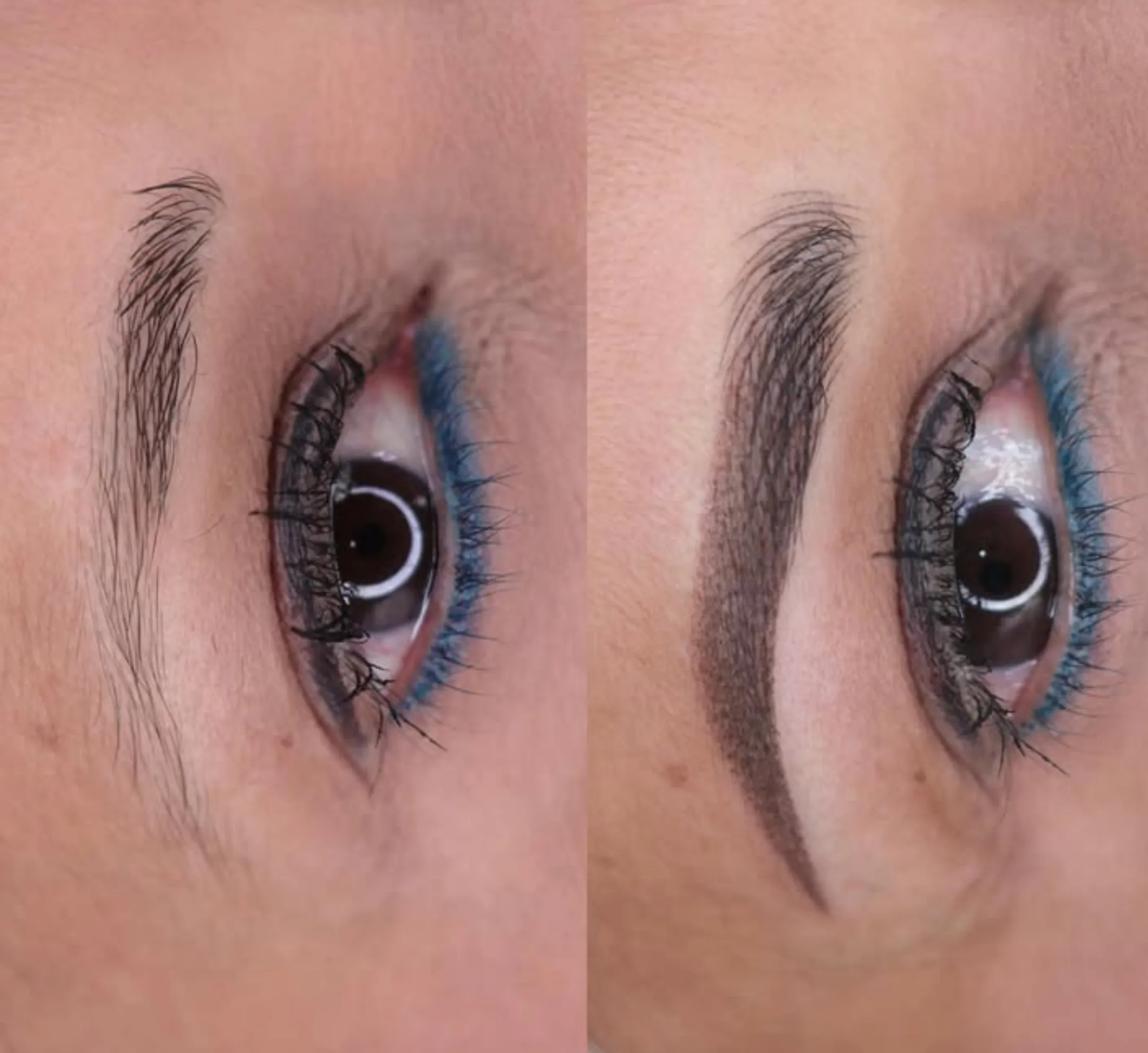
Getting licensed isn’t the most fun part of being a tattoo artist or offering permanent cosmetics but it’s non-negotiable if you want to build a trusted, legally protected business. Take it seriously, start early and reach out to your local council if you’re unsure about anything.
Need some inspiration? Check out how Cosmetic Tattoo Melbourne Studio Face Figurati sets the bar for safe, elegant results. They’ve built a loyal following with clean work, expert application and a clear respect for both the art and the rules of cosmetic tattooing.
Stuck or want a checklist tailored to your state? Just ask below — I’ve helped dozens of artists set up from scratch and I’m happy to share.
FAQ
Can I start taking clients while my application is pending?
No. You must have full licence approval and a current licence before tattooing anyone — even friends.
Does my certificate of completion count as a licence?
Nope. It proves you’ve completed training but it’s not a licence.
How long does it take to get approved?
2-12 weeks depending on your council’s processing time, business days and application review queue.
Do I need to renew my licence?
Yes. Most councils require annual renewal and may ask for additional hours, updated health education or resubmission of multi page documents.
What if I move studios or suburbs?
You must notify the licensing authority of your new physical address — even if you’re moving 5 minutes down the road. Some states require a new application all over again.