Does tattoo removal increase the risk of cancer? I get asked this a lot in my Melbourne studio, especially by clients with tattoo regret. The concerns usually centre around tattoo ink, pigment particles and whether laser light can trigger skin cancer or other health issues. At Cosmetic Tattoo Studio Melbourne Face Figurati, we specialise in safe and effective tattoo removal in Melbourne, and I’m here to share the facts – without the fearmongering.
How a Laser Works
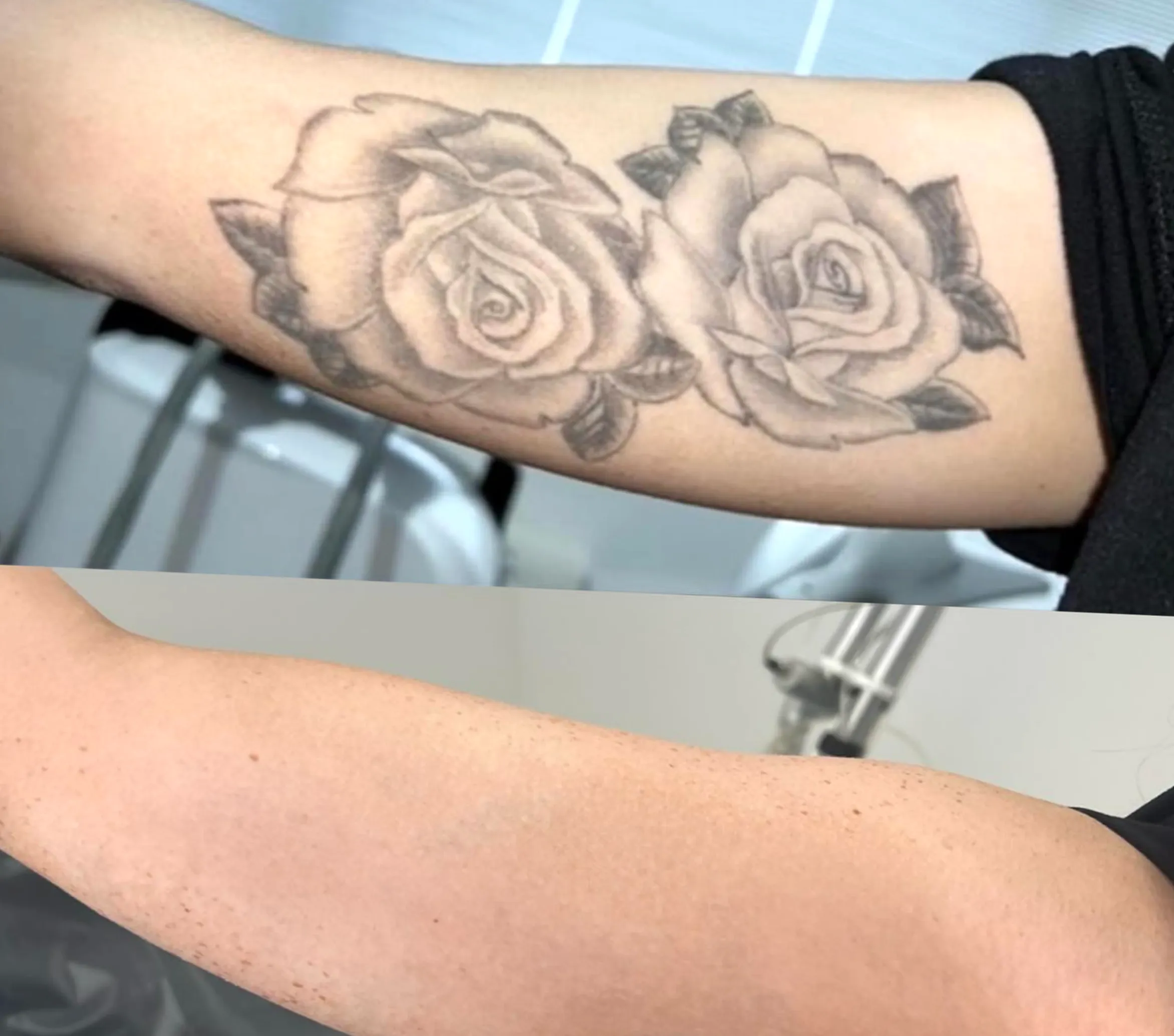
Laser treatment for tattoo removal targets pigment particles in the dermis. The laser light breaks them into smaller fragments, which the lymphatic system processes and removes. Different spot sizes, wavelengths and pulse durations are chosen based on skin type, tattoo colours and ink depth. Professional tattoos from reputable tattoo parlours use more stable pigments, while amateur tattoos may contain a wider range of compounds, including azo-type compounds and metal particles. When clients ask about the best laser tattoo removal in Melbourne, I explain it’s not just about powerful machines – it’s about precise settings and safe technique.
We also consider body surface location, immune response and healing patterns. For example, tattoos on ankles or wrists heal slower than those on upper arms. Understanding how the lymphatic system moves pigment particles helps us plan treatments that minimise risk and support skin health.
Tattoo Pigments and Carcinogenic Concerns
Some tattoo pigments, especially older ones or those used overseas, may contain carcinogenic chemicals such as azo-type compounds that break down into carcinogenic amines. When exposed to laser treatment these pigments break down but there’s no credible evidence that the resulting pigment particles in lymph nodes cause malignant lymphoma or follicular lymphoma. Your immune system is designed to manage these particles, filtering them through lymph nodes and excreting them via urine.
We do discuss pigment composition during consultations. If there’s concern about older inks, I may suggest pigment analysis or a slower removal schedule to give the immune system more time to clear particles.
What Research Says About Cancer Risks
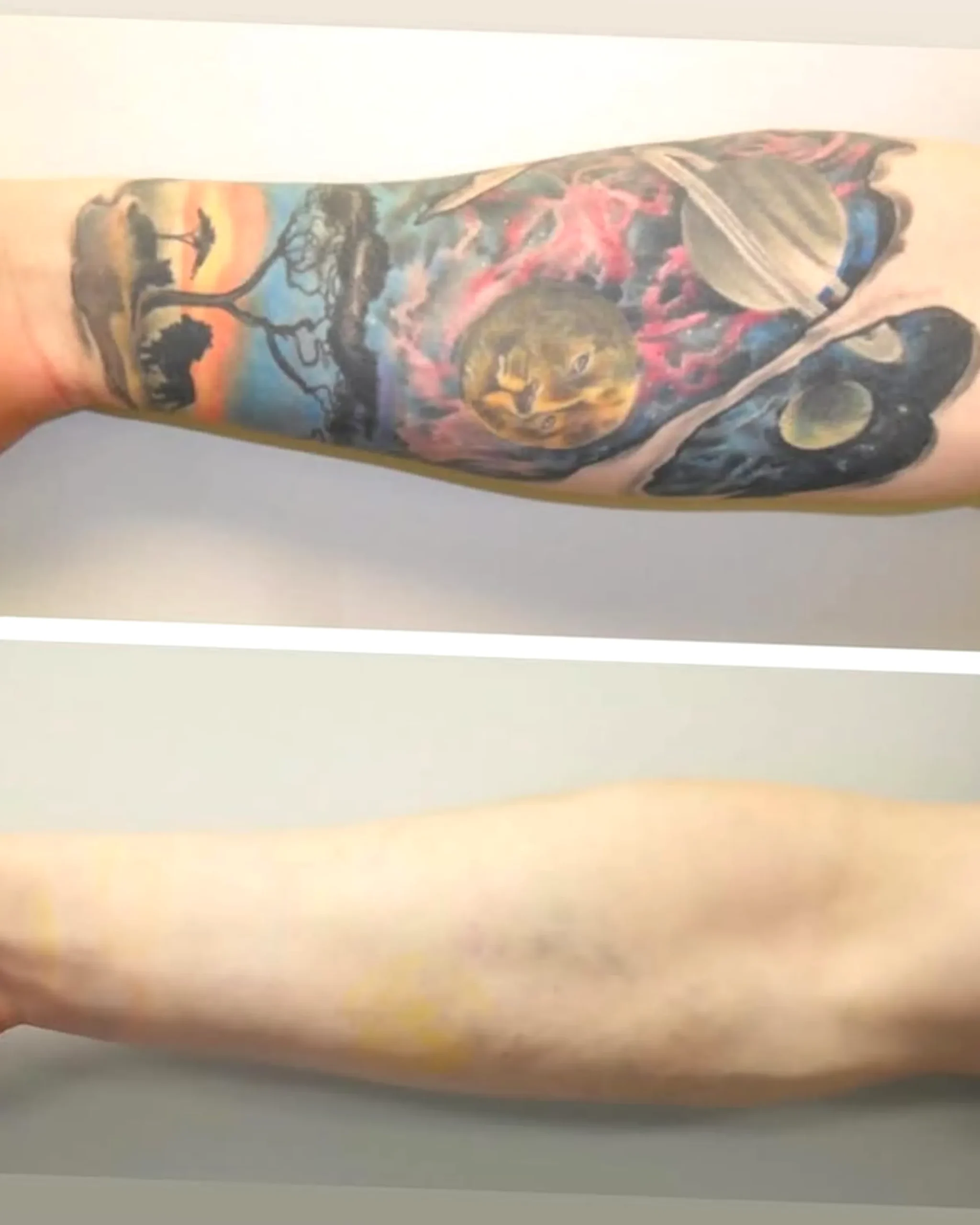
Studies on laser therapy and cancer risk haven’t found a link between tattoo removal and skin cancer. Concerns about UV radiation don’t apply here as tattoo removal lasers use non-ionising light. Reverse causation is a consideration—in some cases people with existing skin cancer may have had tattoos removed from the same area but that’s correlation not causation.
- Pigment particles have been found in lymph nodes after laser tattoo removal but no proven link to cancer treatment outcomes or increased skin cancer rates.
- No clinical evidence that laser therapy for tattoos increases rates of malignant lymphoma.
- Proper use of laser technology under professional standards minimises adverse effects.
Side Effects and Skin Health
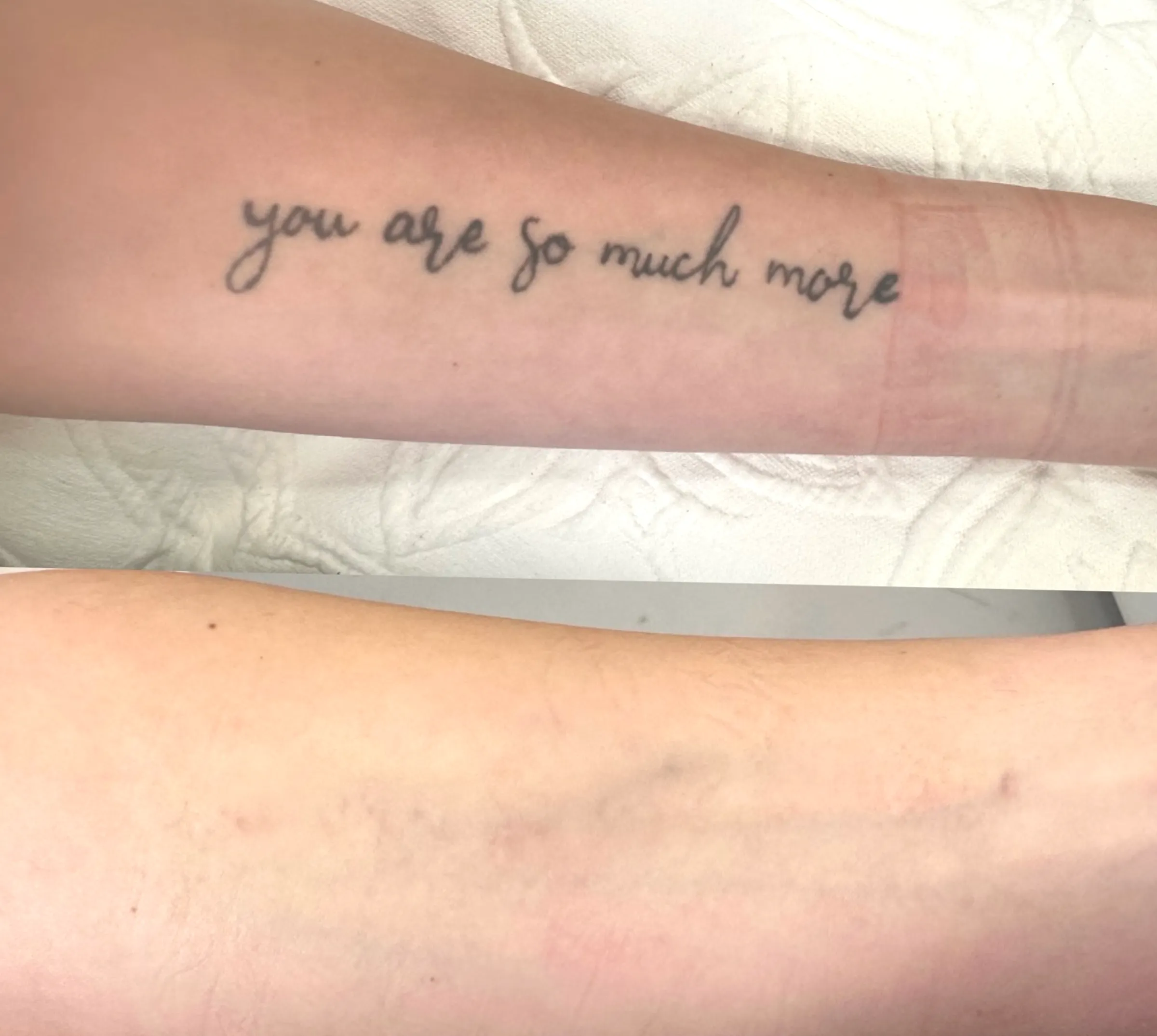
Common side effects after tattoo removal are redness, swelling, pigmentation changes and rarely keloid scarring. These are part of the healing process and are influenced by skin type, spot size used, exposure duration and aftercare quality. Skin sensitivities and autoimmune disorders can affect healing outcomes, so personalised public health advice is key.
We also see cases of temporary skin discolouration or skin sensitivities. For clients with brow work we often recommend saline eyebrow tattoo removal as a gentler alternative to laser especially for lighter pigments.
Professional Standards
Melbourne regulations require trained operators for laser therapy. Choosing a licensed provider ensures correct assessment of skin type, pigment composition and body surface location. At Cosmetic Tattoo Studio Melbourne Face Figurati we do both cosmetic removal tattoo services and advanced laser work, we adjust settings to reduce risk of pigmentation changes, skin discolouration or adverse effects—especially on sensitive areas.
Our process always includes a patch test, client-specific settings and aftercare guidance. This not only improves results but also supports overall skin health during the healing process.
Environmental and Public Health Context
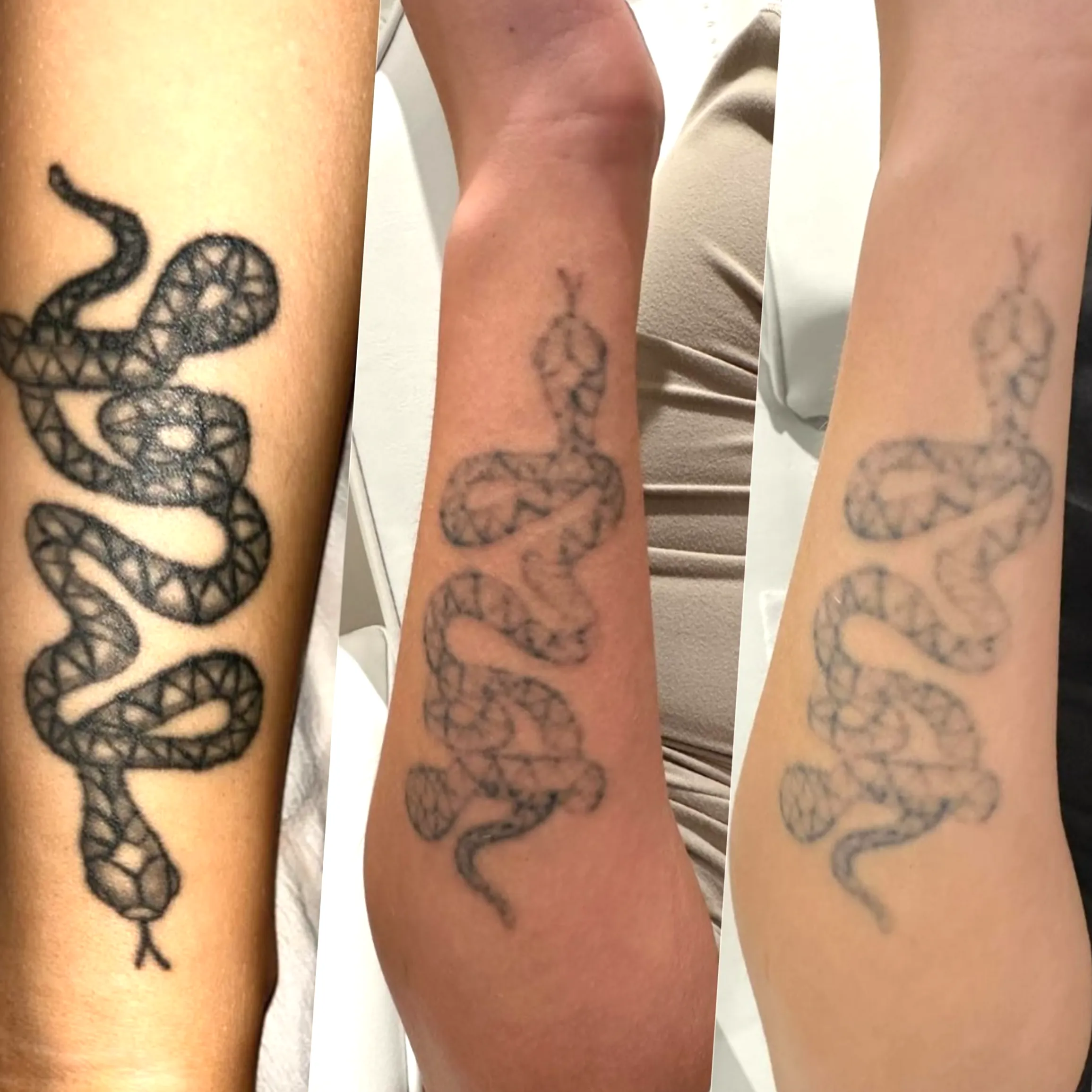
From an environmental health perspective, concerns about cancer-causing chemicals in tattoo pigments are more relevant at the point of tattoo application than removal. Professional tattoos in reputable tattoo parlours today use pigments that comply with safety guidelines, so exposure to carcinogenic compounds is minimised.
Practical Steps for Safe Removal
- Get any suspicious lesions checked before treatment.
- Share medical history, including autoimmune disorders and skin sensitivities.
- Ensure proper ventilation during laser therapy to limit inhalation of plume byproducts.
- Follow aftercare to maintain skin health and support the healing process.
- Get a urine test if you have concerns about metal particles or pigment breakdown.
- Avoid the sun on the treated area.
- Space sessions out properly.
Final Word
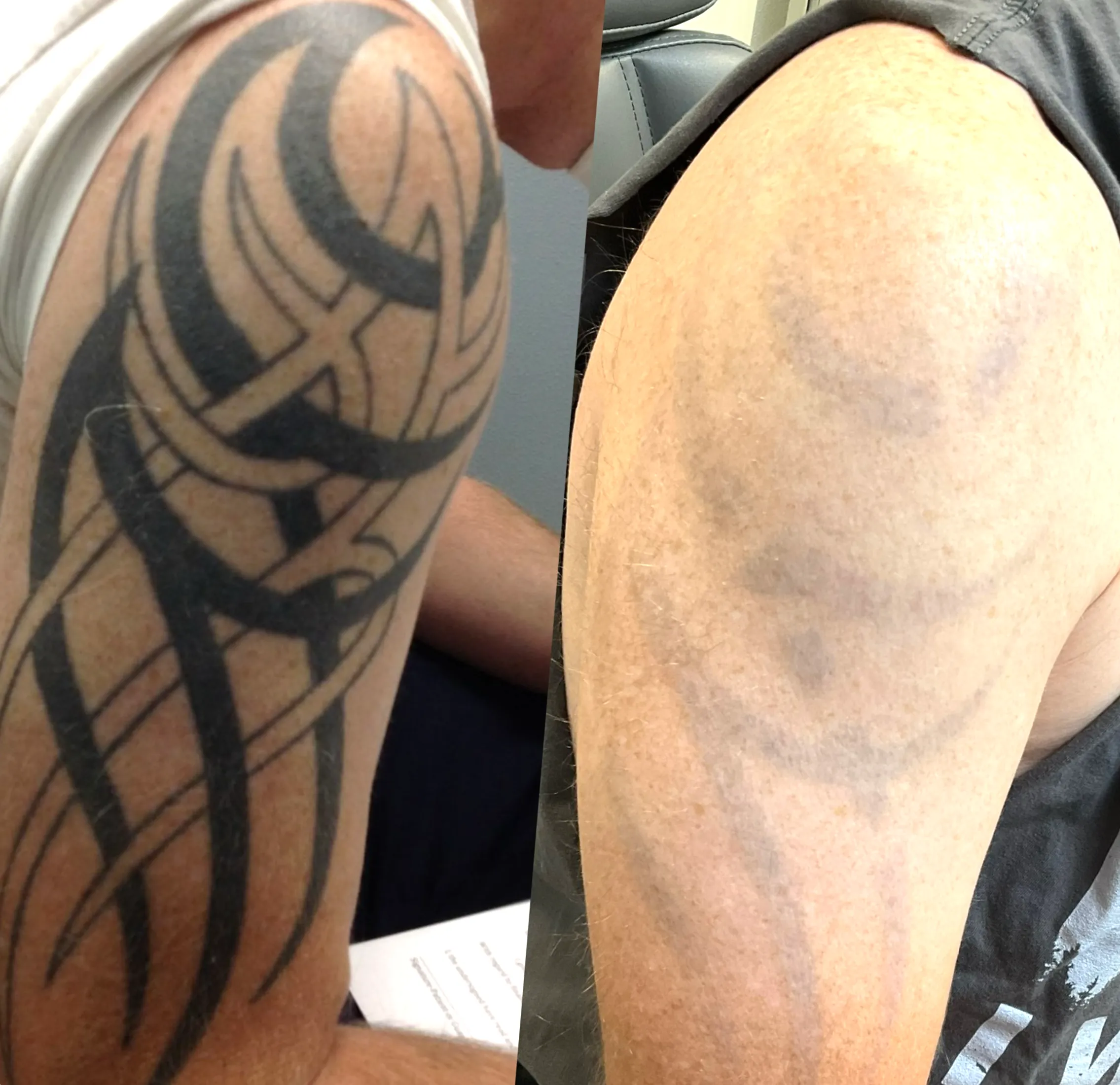
Laser tattoo removal by trained professionals does not increase cancer risk according to current evidence. At Cosmetic Tattoo Studio Melbourne Face Figurati, we combine safety, precision and care to give you results you can trust. Whether you need full body work, subtle cosmetic removal, tattoo services or the best laser tattoo removal in Melbourne, you can rest assured your skin health is our number one priority.
FAQ
Does tattoo removal increase my risk of malignant lymphoma?
No, there is no credible evidence that links laser tattoo removal to malignant lymphoma. Pigment particles have been found in lymph nodes, but without cancer-causing effects.
Can laser therapy trigger skin cancer like UV exposure does?
No. Tattoo removal lasers emit non-ionising light, unlike ultraviolet radiation, which is a known skin cancer risk.
What are the common side effects?
Temporary redness, swelling, pigmentation changes and in rare cases, keloid scarring. Proper aftercare minimises these adverse effects.
Should I worry about carcinogenic chemicals in my tattoo pigments?
Older or unregulated inks may contain carcinogenic compounds, but removal reduces the amount in your body.
Is saline eyebrow tattoo removal safer than laser?
For certain skin types and pigments, saline can be a gentler cosmetic removal tattoo method but may require more sessions than laser.